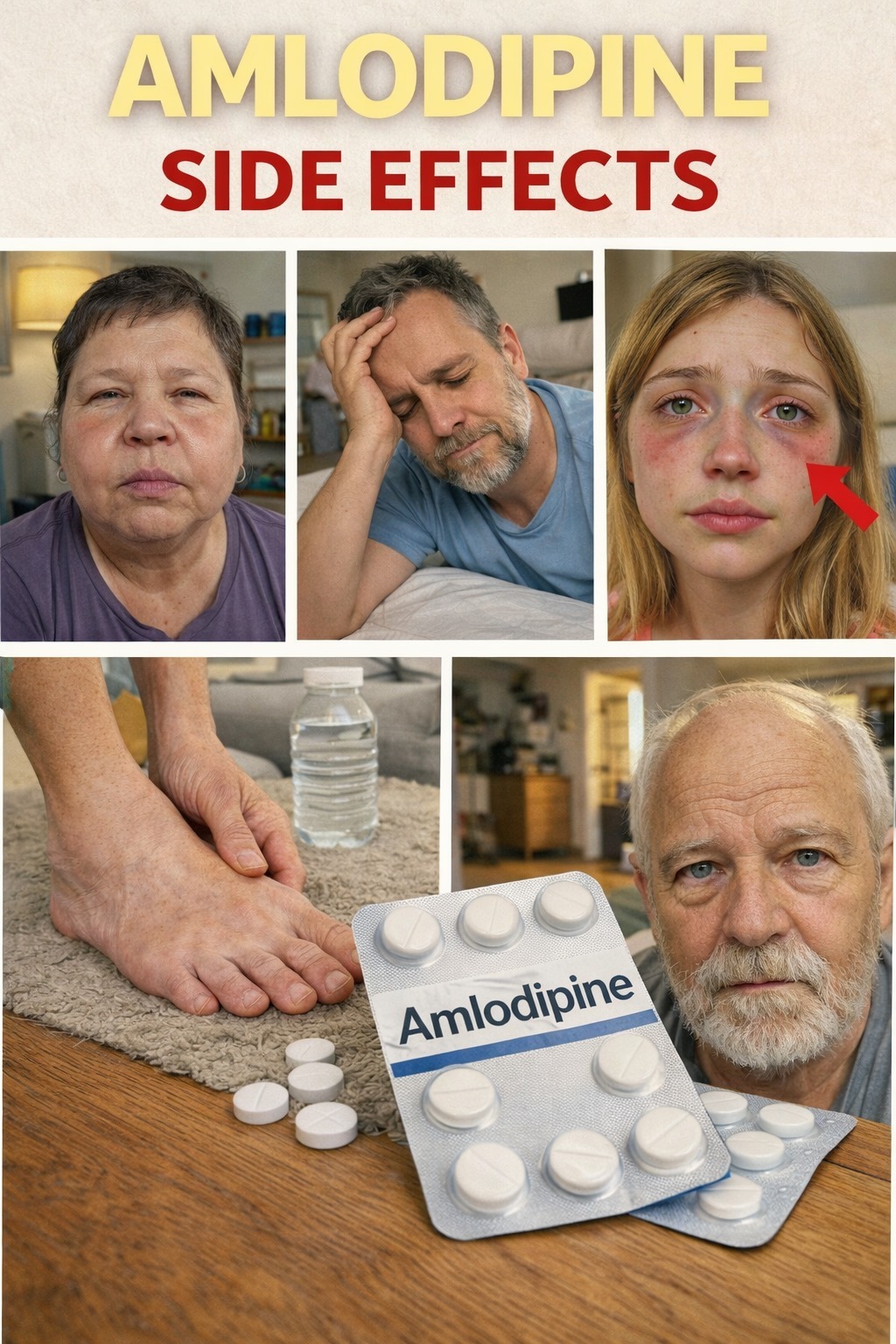
While most effects are mild, contact your healthcare provider if you notice:
Severe swelling that doesn’t improve
Persistent dizziness leading to falls
Chest pain, shortness of breath, or irregular heartbeat
Any sudden or worsening symptoms
Studies emphasize that open communication with your doctor allows for dose adjustments or alternative options if needed. Never stop taking amlodipine without guidance, as it can affect blood pressure control.
Practical Tips to Minimize Common Side Effects
Let’s break this down into steps you can try right away:
For swelling: Wear compression socks (if approved by your doctor) and avoid standing for long periods.
For flushing and headaches: Avoid hot showers or alcohol, which can worsen them.
For fatigue: Maintain a consistent sleep schedule and include light exercise.
General habit: Take amlodipine at the same time daily to help your body adapt.
These aren’t cures but simple strategies that many find helpful based on patient experiences shared in medical resources.
What the Research Says About Amlodipine Side Effects
Clinical reviews from places like the NHS and Cleveland Clinic note that serious side effects are rare, occurring in fewer than 1 in 10,000 people. Most people tolerate the medication well long-term, especially with monitoring. Always rely on professional advice tailored to your health.
Conclusion: Taking Control of Your Experience with Amlodipine
Dealing with side effects can feel frustrating, but awareness and small changes often make them much more manageable. Amlodipine remains a widely used option for supporting heart health when prescribed appropriately. By staying informed and proactive, you can focus more on feeling your best.